ARCHES Program Provides Opportunities for Aspiring Physicians
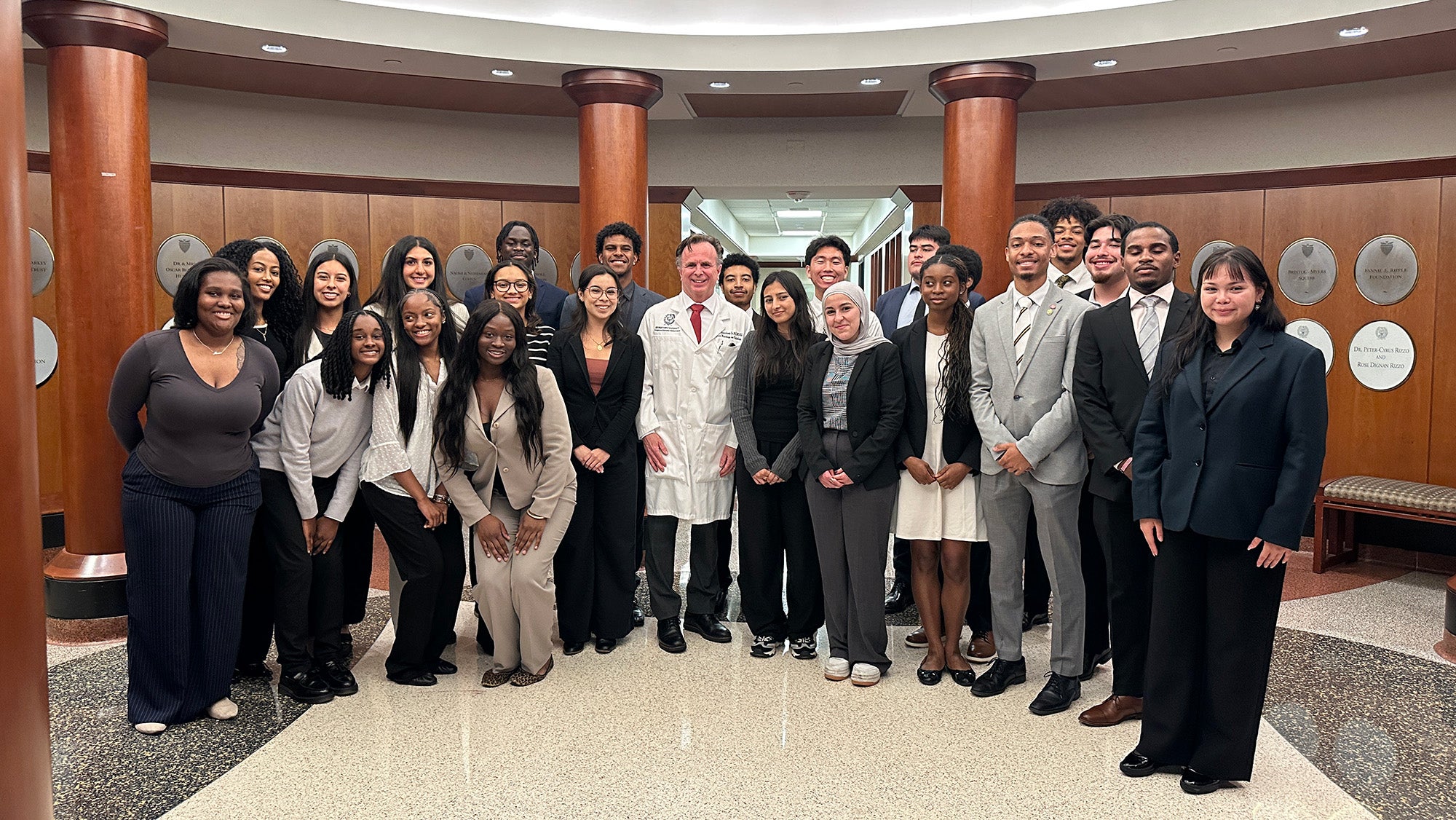
(August 11, 2026) — Over the course of six weeks, the 24 participants in the Academy for Research, Clinical and Health Equity Scholarship (ARCHES) program spent more than 100 hours engaged in immersive research with GUMC faculty members, culminating in their capstone presentations on July 24 in the Hariri Building.
“This year, we were fortunate to double the size of ARCHES, and with it, double the number of students who now have a real pathway into medicine,” said Khaseem Davis, PhD, senior associate dean for diversity, equity, inclusion and belonging at the School of Medicine. “That growth matters, because access is everything.”
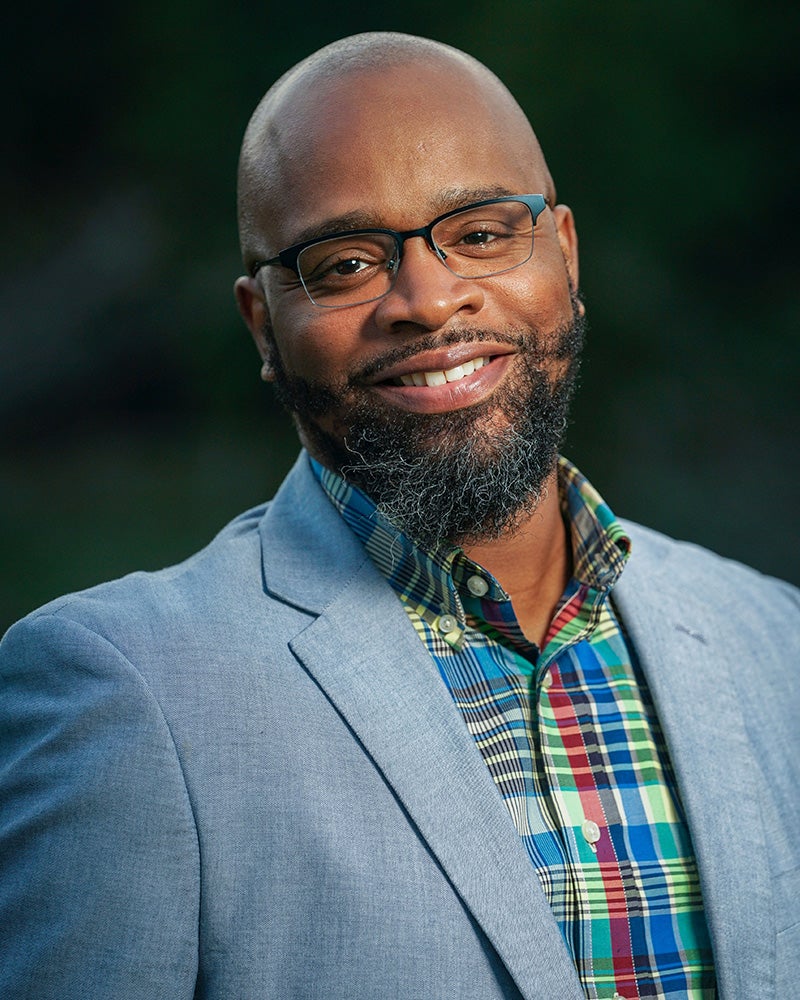
Khaseem Davis, PhD
In addition to gaining research experience, the ARCHES fellows took part in clinical shadowing, community-based learning through service at local nonprofit organizations, workshops on professional development, and networking opportunities.
“For so many of our scholars, ARCHES is the first time someone has opened a door to research, mentorship and hands-on experience they simply wouldn’t have had otherwise,” Davis said. “What makes the program special isn’t just that it opens that door, it’s how comprehensive the journey is once you’re through it.”
The fellows also engaged in discussions with faculty and staff at the School of Medicine, including Norman J. Beauchamp Jr., MD, MHS, executive vice president for health sciences and executive dean of the School of Medicine.
“I want you to know how pleased we are that you’re here and I’m honored to be a part of your journey,” Beauchamp said during the July 23 discussion. “I hope that you’ve enjoyed the experience and I hope that you can really clearly see yourselves as future physicians.”
Learning to Be Bold
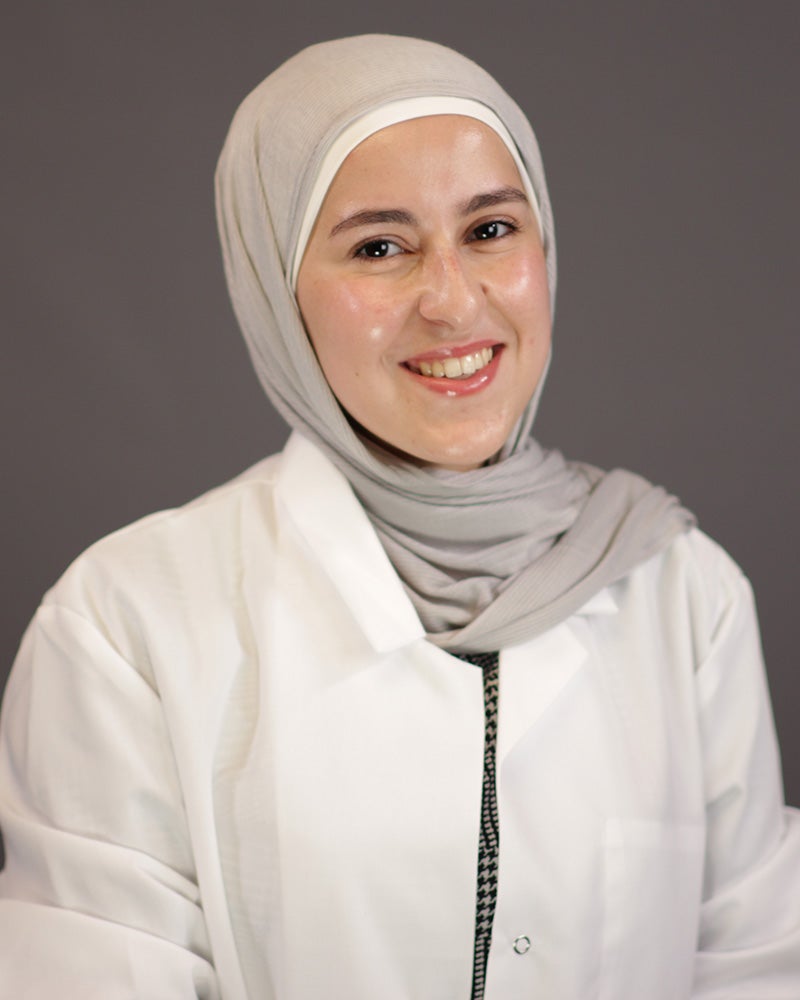
Maisam Alhaj Mohammad (C’29)
As a Syrian refugee who grew up in Jordan, Maisam Alhaj Mohammad (C’29), a biology of global health major, started the ARCHES program intent on pursuing a career in medicine. After graduating from high school in Amman, she served on UNICEF Jordan’s Youth Advisory Council and the steering committee for the Arab Girls’ Summit, engaging with refugee youth, policymakers and humanitarian organizations.
Her experiences prompted her to think about medicine as a way to combine her interests in advocacy and science through direct patient care and developing a broader understanding of the systems that influence health.
After receiving a scholarship to pursue higher education at Georgetown, Alhaj arrived at a university she had first encountered in a Jordanian history class as the alma mater of King Abdullah II and other members of Jordan’s royal family. “At the time, Georgetown felt like a world very far from mine,” Alhaj said. “Being here has taught me to become bolder about pursuing opportunities, even when I do not know exactly where they may lead. Sometimes one experience really can change the trajectory of your life.”
During ARCHES, Alhaj worked with Judy Wang, PhD, at Georgetown’s Lombardi Comprehensive Cancer Center. Her quantitative research project, “Posttraumatic Growth Among Breast Cancer Survivors: Symptoms and Survivorship Context,” examined how symptoms and broader survivorship factors were associated with posttraumatic growth.
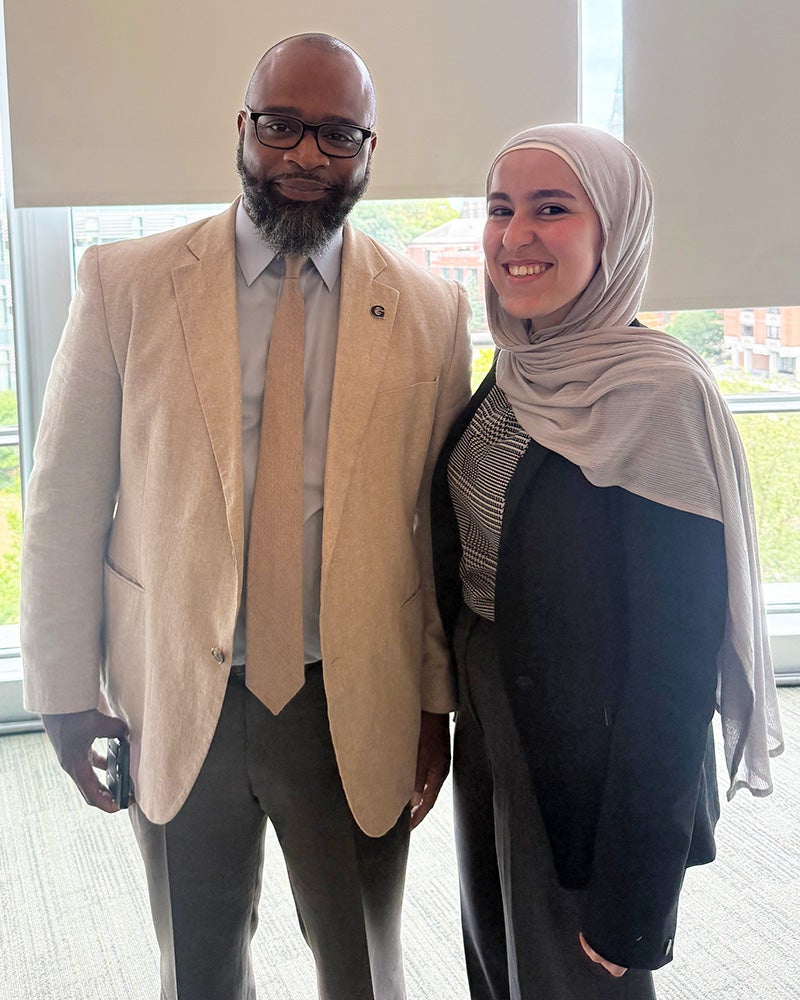
Alhaj with Dean Davis: “His guidance, encouragement and belief in me have given me a level of support that I never imagined I would receive,” she said.
“Before this project, I thought about cancer primarily through its biology and treatment,” Alhaj said. “Studying survivorship made me ask a different set of questions: What happens after treatment ends? How do symptoms, social support and access to resources continue shaping someone’s life? It showed me that cancer care must consider the whole person, not only the disease.”
Clinical visits to MedStar Health’s Kids Mobile Medical Clinic, Unity Health Care and Community of Hope further developed Alhaj’s understanding of health equity. She was particularly struck by programs addressing patients’ needs through a food pharmacy, transportation assistance and street medicine.
“Those experiences made health equity tangible,” Alhaj said. “Food access, transportation, insurance and trust are not separate from healthcare. They can determine whether someone is able to reach a provider, follow a treatment plan and truly benefit from the care they receive.”
Ultimately, the research experience, professional mentorship and exposure to the U.S. healthcare system Alhaj received as an ARCHES fellow helped her understand more clearly how she can contribute. “Georgetown encouraged me to be bold enough to enter these rooms,” she said. “ARCHES helped me see myself not only entering them, but contributing once I was there.”
Honoring a Researcher Dedicated to Health Equity
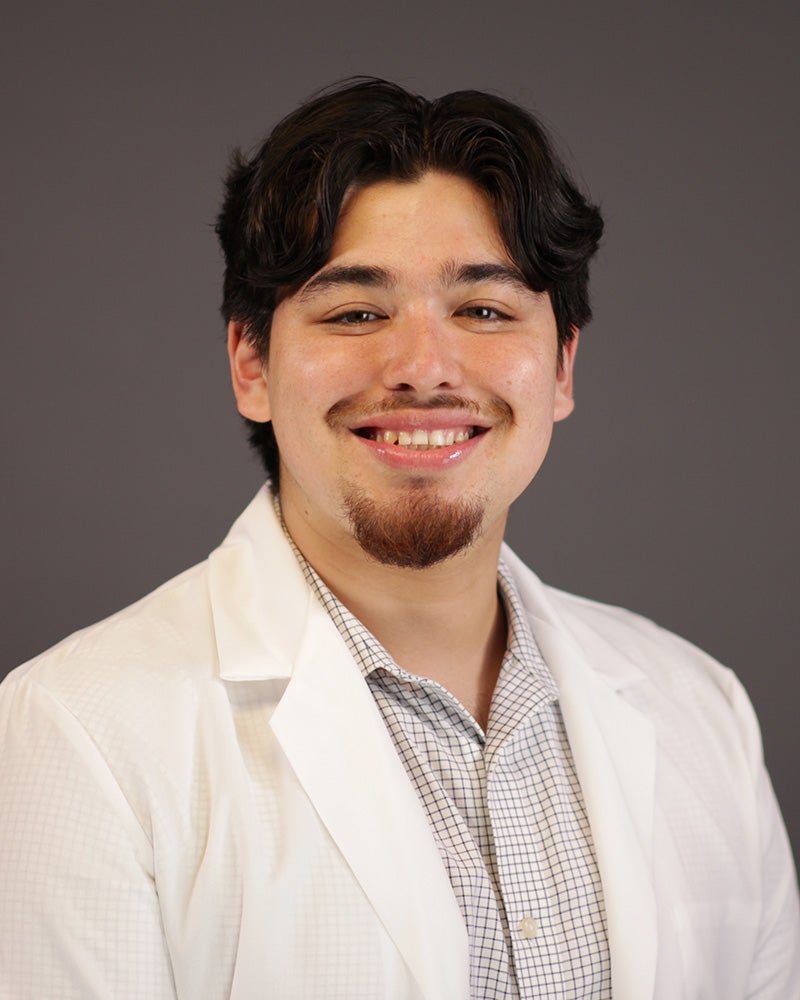
Jefferson Vasquez-Reyes
New for 2026, ARCHES fellows had the opportunity to apply for sponsorship through the Davetrina Seles Gadson, PhD, Scholar Program in honor of Gadson, a speech-language pathologist who dedicated her career to supporting marginalized individuals recovering from brain injuries including stroke.
“Being selected as the inaugural Gadson scholar was an absolute honor,” said Jefferson Vasquez-Reyes, a rising senior majoring in psychology on the pre-med track at the University of Maryland, College Park. “I had the opportunity to expand on Dr. Gadson’s past research on aphasia and how social determinants of health impact recovery or stroke severity when observing median income and education levels.”
A Washington, D.C., native, Vasquez-Reyes was drawn to the ARCHES program by the opportunity to learn more about health disparities. “I wanted to deepen my understanding of my hometown’s health inequities and how I could help alleviate them,” he said. For his capstone, Vasquez-Reyes prepared a presentation titled “Ward of Residence and Stroke Severity: A Retrospective Cross-Sectional Analysis of Washington, D.C.”
Initially apprehensive about his research skills, Vasquez-Reyes developed confidence and expressed gratitude for the support of his Georgetown mentors, Peter Turkeltaub, MD, PhD, and Andrew DeMarco, PhD. “They supplied me with the necessary literature to learn about stroke and aphasia, and then trained me alongside their incredible lab members,” Vasquez-Reyes said. “Their encouragement and willingness to teach made me eager to continue learning and asking questions.”
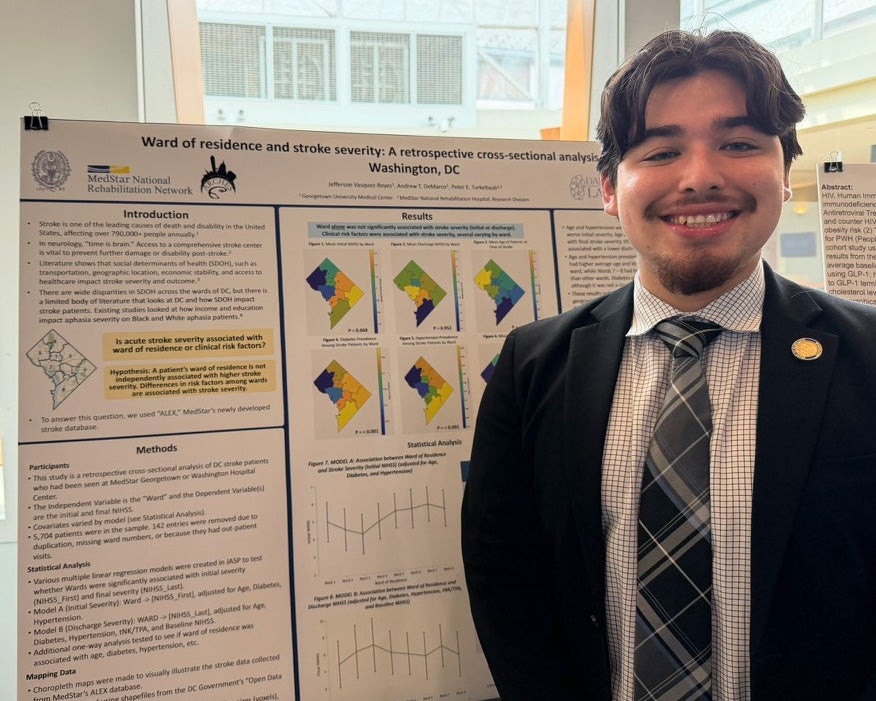
Vasquez-Reyes with his research poster
The most rewarding aspect of participating in the ARCHES program was the community, Vasquez-Reyes said, including doctoral students and post-docs in the lab, former research participants who shared their aphasia experiences with him, School of Medicine faculty and staff, and the other ARCHES fellows.
“All of my peers were inspiring to talk to and be around,” he said. “As we got to know each other and bonded more through different experiences, I realized that these were people I would remain in touch with for the rest of my life.”
Making Lasting Connections
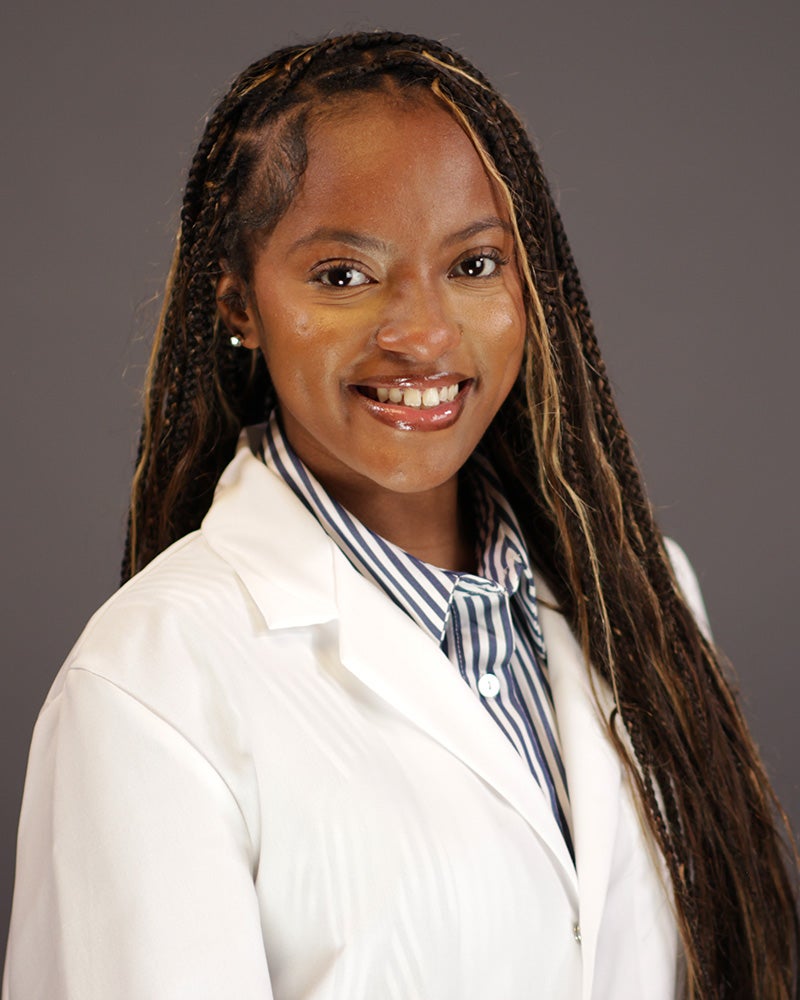
Saniya Lewis
When she was a rising senior at Jackson-Reed High School in 2023, Saniya Lewis participated in the School of Medicine’s Gateway Exploration Program (GEP). The program left a lasting impression and inspired her to apply for the ARCHES program.
“One of the reasons I have remained so connected to the Georgetown community is because of the meaningful internship experience I had and the amazing people I met in the Office of Diversity, Equity, Inclusion and Belonging,” Lewis said. “They continuously encouraged me to become a better student, mentor, leader, and future physician, and I knew the ARCHES program would provide a similar sense of community and support.”
Working with Amanda B. Spence, MD, Lewis prepared a capstone presentation titled “Assessing Baseline Diet Quality Among Women With and Without HIV: Implications for Metabolic Disease Risk.” Her research experience validated her intent to consider all of the factors that may impact a patient’s health as a physician.
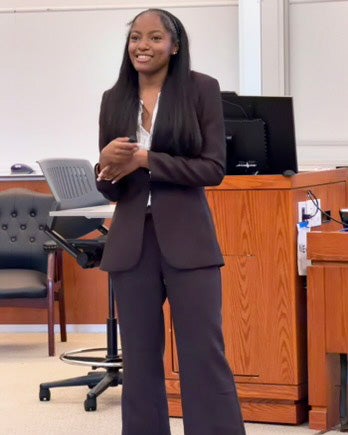
Lewis presenting her capstone project
“As someone who is passionate about the intersection of public health and clinical medicine, I already understood the importance of viewing patients holistically,” Lewis said. “This research further reinforced that perspective by demonstrating how medical history, nutrition and lifestyle factors all contribute to patient health, not just the physical health we see.”
Going forward, Lewis plans to finish her undergraduate education, participate in global health research, and go to medical school to become a pediatrician with a focus on serving patients in underserved communities. She also plans to keep in touch with everyone she met through ARCHES.
“I am incredibly grateful for the friendships, memories and support system I gained through ARCHES, and I know these relationships will continue long after the program has ended,” she said.
Kat Zambon
GUMC Communications
Top Image: This year’s ARCHES students are pictured with Norman J. Beauchamp Jr., MD, MHS, executive vice president for health sciences and executive dean of the School of Medicine (in white coat at center).